AI Phone System for Restaurants: The Gruppo Dirigì Case Study
1,642 calls handled by AI in two months: Gruppo Dirigì stopped losing reservations during peak hours thanks to an AI phone system for restaurants. Want to see how we did it?
In a high-volume pizzeria, the phone rings when the dining room is full. This is when a call is most valuable — often a reservation — but no one can truly answer it. In this case study, we measure the impact of an AI phone system for restaurants on two Gruppo Dirigì brands: 1,642 inbound calls handled from April 3 to June 17, 2026, 1,632 effective conversations, over 25 hours of talk time, and an average duration under one minute. ## TL;DR - 1,642 inbound calls absorbed in 2 months, with no burden on staff. - Average duration ~56 s: data collected and reservations finalized, without waiting. - 676 goal-achieving conversations (41%): reservations and correct handoffs. - Multi-location coverage (Jesolo and Mister Pizza) with automatic recognition. - Operational integration: exceptions routed to staff, without bounces. 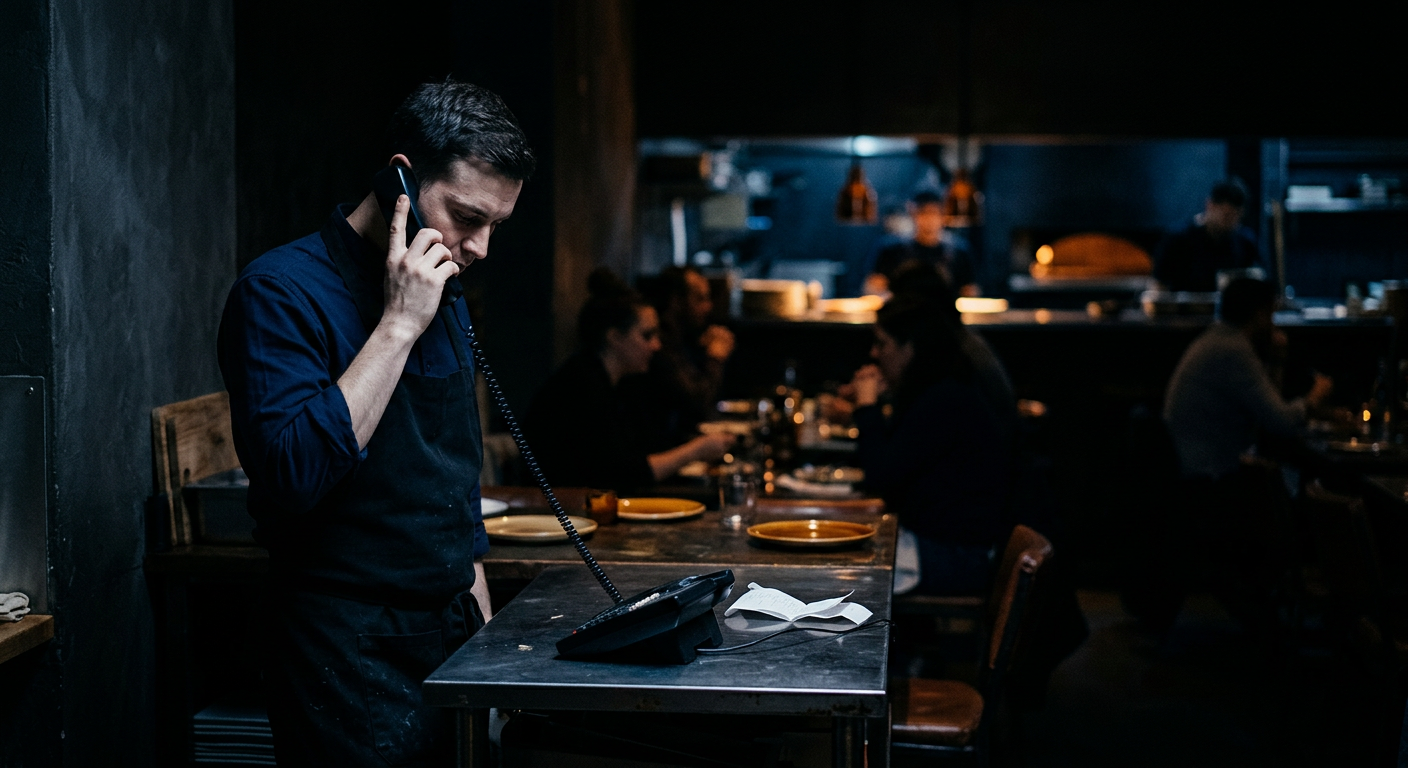 ## The Client: Gruppo Dirigì, two brands with predictable peaks Gruppo Dirigì operates with Pizzeria Dirigì in Jesolo and Mister Pizza. High volumes, service concentrated at lunch and dinner, customers who book last minute and expect an immediate response. The phone is both a revenue channel and a source of interruptions: while greeting guests, serving tables, and managing takeaways and the till, providing complete answers to every call is difficult. ## The Challenge: Answering when the dining room is busy The risk is not just a missed call; it's the loss of context. Callers ask about availability for tonight, allergen information, modifications, address, or takeaway. Without a filter, all requests compete with operations. Dirigì's goal was twofold: - Intercept every call, even during peak times, without waits. - Transform every conversation into a useful outcome: a reservation, precise information, or a clean handoff to staff. Missed calls during service are lost customers without a trace: no lead, no complaint, just an alternative choice. ## The Implementation: Alice as an always-on telephone front desk Alice, a voice agent on DeepAgent, is the first point of contact for inbound calls to both restaurants. It's not a recorded message: she understands intent, collects data, checks availability, and guides the caller to the next step. This is where an AI phone system for restaurants stands out: the call isn't parked; it's resolved. ### The 6-step operational funnel 1. Greeting and location identification. Alice immediately understands if it's Dirigì Jesolo or Mister Pizza, preventing reservations at the wrong location. 2. Request classification. Reservations, immediate availability, modifications/cancellations, takeaway/delivery, hours/address, menu/allergens, job applications, operator request. 3. Data collection. Date, time, number of covers, name, and contact details; useful notes (gluten-free, presence of children, dog, groups). 4. Verification and proposals. If there's availability, she confirms; if not, she proposes nearby alternatives (e.g., 8:45 PM instead of 8:30 PM) and gets them accepted. 5. Confirmation or handoff. Standard requests are resolved autonomously; exceptions and complex orders are routed to the correct channel. 6. Closing with recap. Location, day, time, number of covers. The conversation produces an outcome, not just a response. Automatic phone reservations work because the scope is clear: for exceptions, Alice doesn't improvise, she hands it over. 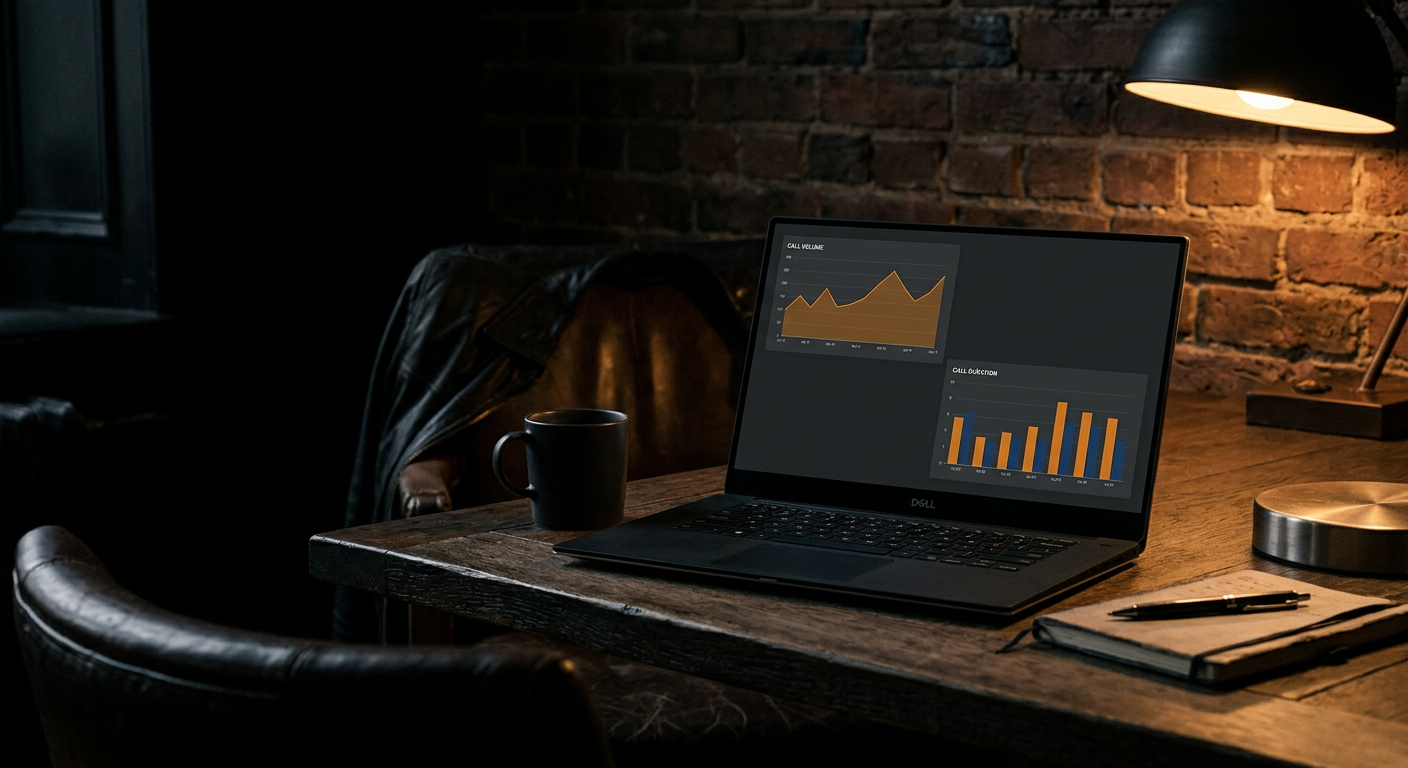 ## Inbound Results: April 3 – June 17, 2026 | Location | Calls | Conversations >0 duration | Average Duration | Conversation Minutes | Goal Achieved | |---|---:|---:|---:|---:|---:| | Dirigì Jesolo | 796 | 792 | 57.0 s | 752.7 | 345 | | Mister Pizza | 846 | 840 | 54.5 s | 762.9 | 331 | | Total Inbound | 1,642 | 1,632 | ~55.7 s | 1,515.6 (~25.3 h) | 676 | Three operational takeaways: - Volume absorbed: 1,642 calls handled without the dining room phone ringing; no dedicated person required. - Efficiency: average duration under one minute (57 s/54.5 s) with complete data collection. - Outcome: 676 calls with a goal achieved (41%). Confirmed reservations, accepted alternatives, provided information, correct transfers. Regarding sentiment, Dirigì Jesolo recorded 129 positive calls, 538 neutral, and 59 negative (≈7.5%). The negative reflects table unavailability, sensitive dietary requests, and a few technical issues, not the overall service quality. Methodological Note: During the same period, the group managed a separate outbound campaign ("PersonalG") with tens of thousands of outgoing calls. This does not affect the inbound results reported here. 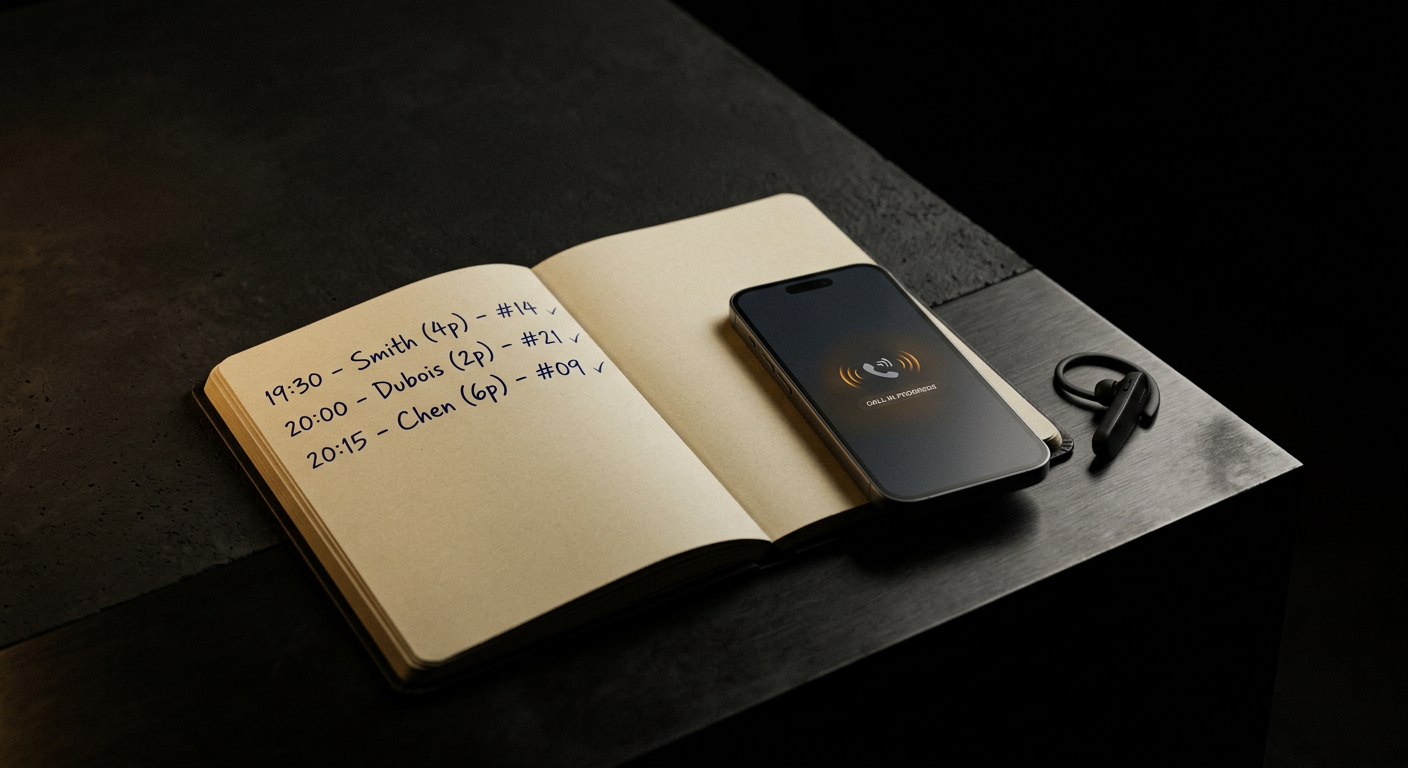 ## What Customers Really Ask on the Phone - Last-minute reservations. Core of the flow: immediate response that secures covers for the same evening. - Alternative times when the restaurant is full. Nearby slots (6:30 PM, 6:45 PM, 9:30 PM, 9:45 PM) turn a “no” into a choice. - Gluten-free and allergens. Precise communication on celiac disease and contamination: daily availability at Mister Pizza, cautious message at Dirigì. - Menu and doughs. Whole wheat, vegan options, cover charge, and restaurant offerings: exploratory questions indicating intent. - Takeaway and delivery. Distinction between pickup and delivery, invitation to order online, and transfer when staff interaction is needed. - Modifications, cancellations, operator request. Human handoff when appropriate: an AI-powered automated answering machine for pizzerias is also valuable because it knows when not to decide. - Groups and special occasions. For 7–12 people, Alice proposes alternatives or passes to an operator with already collected context. ## The Real Result: Less Friction, More Operational Continuity The contribution is measured in removed friction. Simple requests no longer interrupt the dining room; complex ones arrive at staff already contextualized. The model doesn't scale with costs: the same volume would have required one person on the phone for both shifts, every day, for two months. Also see our case study on outbound in restaurants: the Dinamo Steak House case (outbound intent) is complementary to this inbound scenario. ## Conclusion Alice has transformed the phone into an always-on, measurable channel. Fewer waits, more reservations, human intervention only when necessary. Want to see the impact on your restaurant? Request a demo and test a real-time agent. ## Frequently Asked Questions ### What is an AI phone system for restaurants and how does it integrate with existing workflows? An AI phone system for restaurants is a voice agent that answers, understands intent, collects data, and resolves common requests (reservations, information). It integrates with existing workflows by connecting to table management systems, takeaway channels, and operational rules. When encountering exceptions, it performs a handoff to staff with the context already collected. ### How does it handle automatic phone reservations if the restaurant is full? The agent checks real-time availability and proposes nearby alternative slots (e.g., +15 minutes). If the customer accepts, it confirms. If there's no margin, it provides realistic options (another time slot/location) or transfers to an operator. This reduces abandonment and turns "missed calls during service" into recovered reservations. ### How does it handle allergens, celiac disease, and sensitive requests? With accurate answers and location-specific policies: clear messages on gluten-free options, procedures, and potential contamination. The agent doesn't promise what the restaurant can't guarantee, avoiding risks. For complex cases, it immediately routes to staff. Precision and traceability reduce errors and improve customer experience. ### What happens with modifications, cancellations, and complex takeaway orders? The agent recognizes the intent and takes the fastest route: recorded modification/cancellation, link to online ordering, or direct transfer to the location. An AI-powered automated answering machine for pizzerias is effective because it filters simple requests and passes to the team those requiring human discretion. ### What KPIs should I expect when activating an inbound voice agent? Typical KPIs: calls absorbed, average duration, success rate (reservations/information/transfers), sentiment, and total minutes. In the Dirigì case: 1,642 calls, an average of ~56 s, 676 useful outcomes (41%), and ~25.3 hours of conversation managed by AI. These indicators free up staff and reduce costs.